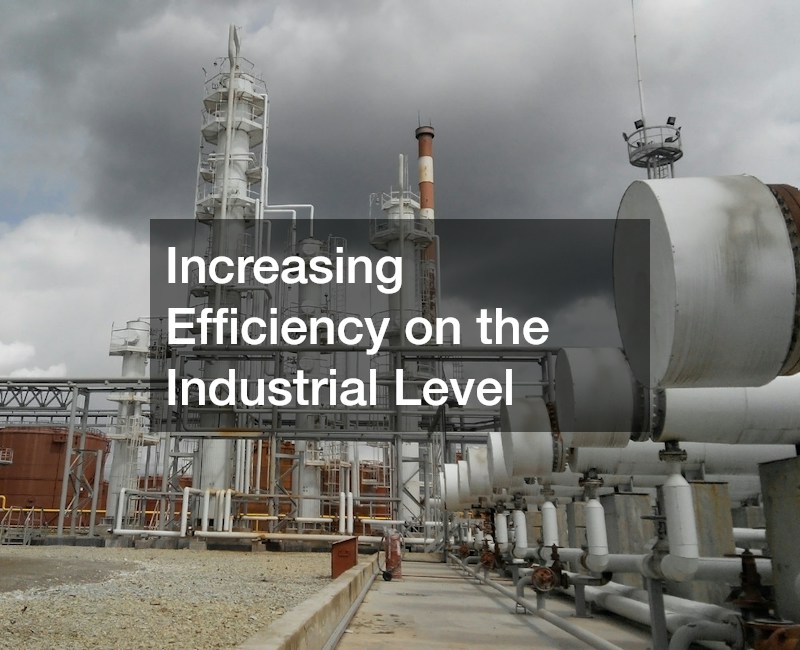
Industrial efficiency rarely stems from a single sweeping technological overhaul. Instead, it is forged through the deliberate alignment of physical space, mechanical reliability, supply chain logistics, and specialized external partnerships. For plant managers, operations directors, and industrial business owners, boosting output while reducing overhead requires examining every layer of a facility—from the ground it sits on to the air circulating through its rafters. When inefficiencies creep into a manufacturing plant, warehouse, or processing facility, they often disguise themselves as routine operating costs: slightly longer transit times across the shop floor, minor pressure drops in fluid lines, or sporadic delays in waste removal. Over a fiscal year, these micro-frictions compound into substantial capital losses.
Addressing these bottlenecks demands a holistic approach that pairs internal process discipline with targeted external expertise. Rather than stretching internal maintenance teams thin across every specialized task, high-performing facilities strategically leverage outside vendors and upgraded infrastructure to keep core production lines running at peak capacity. By systematically auditing space utilization, fluid and air systems, heavy equipment logistics, fabrication workflows, and site waste management, industrial leaders can unlock sustainable productivity gains without sacrificing safety or product quality.
Audit Floor Plans and Expand Footprint Strategically
The physical layout of an industrial operation dictates the speed and safety of every workflow inside it. Many facilities suffer from organic sprawl, where new machines and storage racks are squeezed into available corners over decades without a cohesive master plan. This results in convoluted travel paths, blind intersections, and wasted labor hours spent simply moving raw materials from receiving docks to assembly stations. Conducting a comprehensive spaghetti diagram analysis—mapping the actual physical path of products, workers, and equipment—often reveals that up to thirty percent of shift time is consumed by unnecessary transit.
- Reorganize production cells into U-shaped or cellular layouts to minimize the distance between sequential operations and allow a single operator to oversee multiple adjacent processes.
- Establish clear, high-visibility floor markings that separate pedestrian walkways from heavy vehicle lanes, preventing slowdowns caused by traffic congestion and near-miss safety incidents.
- Evaluate vertical storage capacity by installing high-density racking systems before assuming a facility has outgrown its current square footage.
- Analyze regional logistics corridors when current capacity hits an absolute ceiling, weighing the long-term return on investment of acquiring industrial land for sale to build a purpose-designed facility against the ongoing cost of operating out of fragmented, leased warehouses.
- Position high-turnover inventory closest to shipping and receiving bays to cut down on forklift travel distances and fuel or battery consumption.
Streamline Internal Logistics and Supply Chains
Once the floor plan supports logical movement, the next priority is optimizing how materials actually flow through that space. Inconsistent material delivery to assembly lines forces skilled technicians to pause production while waiting for parts, creating costly downstream ripple effects. Modernizing internal logistics means shifting from reactive replenishment to synchronized, pull-based supply systems where components arrive at the exact moment they are needed.
Partnering with specialized material handling services can transform how a facility manages bulk goods, pallets, and delicate components. External specialists bring expertise in automated conveyor integration, ergonomic lifting assists, and fleet optimization that internal teams may lack the bandwidth to design. Simultaneously, procurement leaders should examine the reliability of consumable supply lines that keep daily operations running. Relying on distant, national distributors for critical consumables often exposes a plant to freight delays and rigid delivery schedules.
- Implement Kanban replenishment triggers at every workstation so visual or digital signals automatically alert material handlers before stock levels hit zero.
- Consolidate vendor deliveries to reduce dock congestion, using scheduled delivery windows to prevent trucks from idling in the yard.
- Partner with a local industrial gas supplier to ensure rapid, dependable replenishment of shielding gases, nitrogen, and oxygen, eliminating production halts caused by empty cylinders or bulk tank shortages.
- Standardize container and pallet sizes across all incoming vendor shipments to allow seamless automated handling and uniform stacking without manual repalletizing.
- Conduct quarterly audits of forklift and automated guided vehicle utilization rates to right-size the internal transport fleet and eliminate idle capital assets.
Optimizing Core Mechanical and Environmental Systems
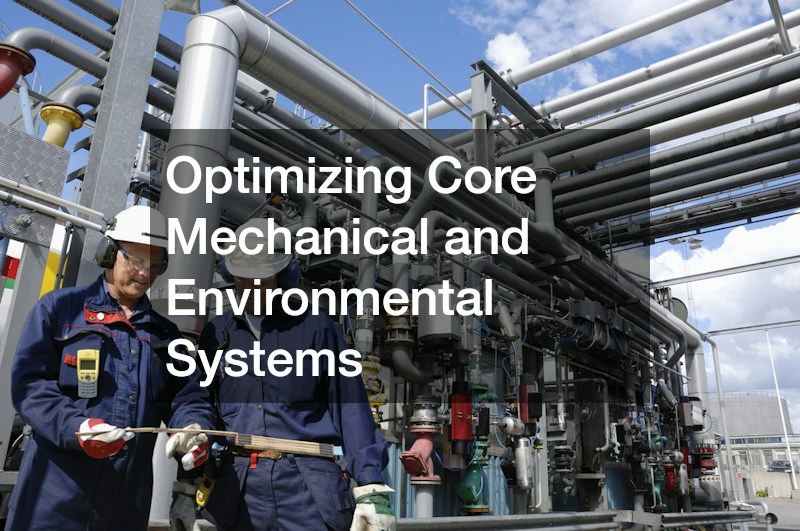
Behind every productive assembly line is a network of supporting mechanical systems that regulate fluid movement, air quality, and thermal stability. Because these assets operate largely out of sight, they are frequently maintained on a run-to-failure basis. However, an unexpected breakdown in a primary fluid transfer line or ventilation unit can halt an entire plant just as quickly as a failure on the main production floor. Proactive engineering and preventive maintenance in these utility systems yield immediate dividends in energy savings, equipment longevity, and regulatory compliance.
Upgrade Fluid Transfer and Pumping Infrastructure
Fluid handling systems are the circulatory system of chemical plants, food processors, metalworking shops, and power generation facilities. Over time, internal impeller wear, cavitation, and outdated fixed-speed motors cause pumping systems to draw excessive electricity while delivering diminished flow rates. Many facilities also run pumps throttled against partially closed valves—a practice analogous to driving a car with one foot on the accelerator and the other on the brake.
Investing in modern industrial pumps equipped with variable frequency drives allows facilities to match motor speed precisely to real-time process demand. When flow requirements drop during off-peak shifts, power consumption drops exponentially rather than linearly. Pairing upgraded hardware with predictive monitoring sensors further ensures that seal degradation or bearing wear is detected weeks before a catastrophic leak occurs.
- Replace oversized, throttled pumps with right-sized, variable-speed units to cut pumping energy expenditure by twenty to forty percent.
- Install ultrasonic flow meters and pressure transducers on critical discharge lines to detect early signs of pipe scaling, blockage, or impeller erosion.
- Standardize pump models and mechanical seal sizes across similar duty applications to shrink spare parts inventory and simplify technician training.
- Schedule routine laser shaft alignment checks after any maintenance intervention, as minor misalignment dramatically accelerates bearing and seal failure.
- Implement closed-loop cooling water circuits where possible to reduce municipal water intake costs and minimize thermal discharge compliance issues.
Maintain Superior Air Quality and Filtration
Airborne particulates, welding fumes, oil mist, and volatile organic compounds pose severe risks to both worker health and sensitive machinery. When dust and fine debris settle inside electrical control panels, optical sensors, and precision bearings, they act as abrasive insulators that cause overheating and premature component failure. Furthermore, clogged ventilation systems force exhaust fans to work harder, driving up facility HVAC costs while failing to capture contaminants at the source.
Selecting and maintaining high-efficiency industrial air filters is essential for protecting equipment uptime and keeping indoor environments compliant with occupational safety standards. Rather than waiting for visible dust accumulation or worker complaints, maintenance managers should monitor differential pressure across filter banks to optimize change-out schedules.
- Deploy source-capture extraction arms directly over grinding, cutting, and chemical mixing stations to trap contaminants before they disperse into the ambient plant air.
- Install differential pressure gauges across all dust collector and HVAC filter housings so filters are replaced based on actual airflow restriction rather than arbitrary calendar dates.
- Upgrade to nanofiber or pleated cartridge media in high-dust environments to extend filter service life and reduce compressed air consumption during pulse-jet cleaning cycles.
- Balance building supply and exhaust air volumes to eliminate negative pressure zones that pull unfiltered, unconditioned outside air through loading dock gaps.
- Inspect ductwork runs annually for dust accumulation, leaking joints, or damaged dampers that compromise capture velocity at distant workstations.
Executing Heavy Equipment Transitions and Custom Upgrades
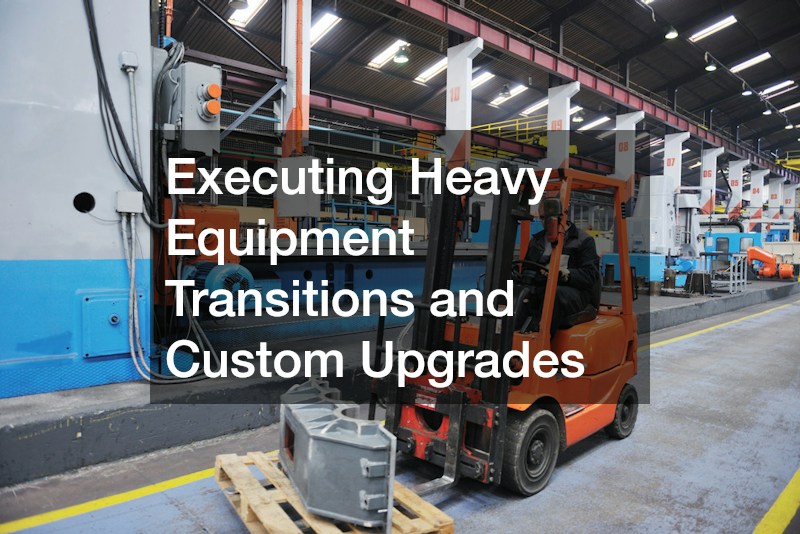
As market demands evolve, industrial operations must routinely reconfigure production lines, install heavier machinery, and fabricate custom tooling to stay competitive. These capital projects carry immense risk; a poorly executed equipment installation or an ill-fitting structural modification can delay commissioning by weeks and compromise worker safety. Treating heavy equipment transitions and custom metalwork as specialized engineering projects rather than routine maintenance tasks is key to keeping downtime strictly contained.
Plan Precision Equipment Relocations and Installations
Moving multi-ton presses, CNC machining centers, or automated packaging lines requires far more than brute force. Modern machinery features sensitive optical alignments, delicate electronic cabinets, and strict floor-loading tolerances that can be permanently damaged by improper rigging or uneven leveling. Attempting to handle major line reconfigurations exclusively with in-house maintenance crews often pulls top technicians away from daily preventive maintenance, causing overall plant reliability to dip during the transition.
Engaging dedicated industrial machinery moving specialists ensures that heavy assets are lifted, transported, and anchored using specialized hydraulic gantries, air-bearing skates, and precision optical leveling instruments. When equipment must be transported between separate regional plants or brought in from a port, coordinating the move with experienced hauling services guarantees that oversized permits, route surveys, and heavy-duty lowboy trailers are managed seamlessly without transit delays.
- Perform detailed floor slab core testing and structural engineering reviews before placing heavy equipment in a new location to ensure the concrete can support dynamic operating loads.
- Document and label every electrical, pneumatic, and hydraulic connection with color-coded tags and high-resolution photographs prior to disconnecting a machine for relocation.
- Schedule rigging and heavy transport during planned holiday shutdowns or weekend windows to insulate active production shifts from crane operations and aisle closures.
- Verify machine geometry and spindle alignment using laser interferometers immediately after anchoring and grouting, ensuring tolerances are restored before test runs begin.
- Maintain a digital library of machine footprints, center-of-gravity specs, and utility drop requirements to accelerate future layout adjustments.
Leverage Specialized Metalworking and Custom Fabrication
Off-the-shelf industrial equipment rarely fits the exact spatial or functional constraints of an established production floor. Custom machine guards, ergonomic operator platforms, specialized material chutes, and heavy-duty structural supports are constantly needed to bridge gaps between different OEM systems. When these structural components are poorly designed or hastily assembled, they create recurring maintenance headaches and safety hazards.
Building strong relationships with outside metalworking experts allows a plant to execute complex upgrades without overburdening its internal shop. Utilizing professional industrial fabrication services gives operations teams access to CNC laser cutting, heavy plate rolling, and certified structural welding for large-scale custom builds. For urgent on-site repairs, equipment modifications, or sanitary piping tie-ins that cannot be shipped out, bringing in a qualified local industrial welder provides rapid, code-compliant execution directly on the plant floor.
- Design custom safety guarding and access platforms with modular bolt-together sections so maintenance crews can quickly remove panels during routine equipment servicing.
- Specify corrosion-resistant alloys or industrial powder coatings for fabricated chutes and hoppers exposed to abrasive materials or washdown chemicals.
- Standardize structural steel profiles and hardware sizes across custom plant fixtures to simplify future modifications and repairs.
- Require weld procedure specifications and non-destructive testing documentation for any load-bearing structural modifications or pressurized piping installations.
- Keep CAD models of all custom-fabricated plant fixtures updated so replacement parts can be cut and shipped immediately if a component is damaged by a forklift impact.
Strengthening Site Maintenance and Waste Management
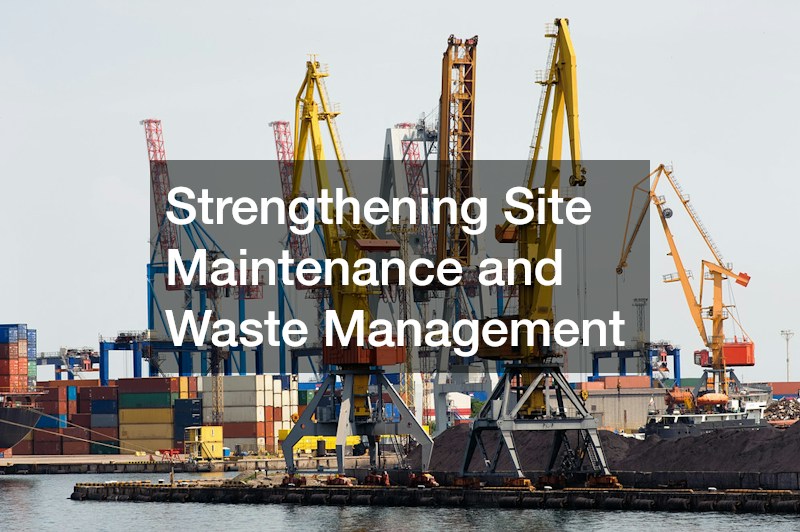
True operational efficiency extends beyond the walls of the main production building to encompass the entire industrial property. Cluttered yards, overflowing scrap bins, and reactive maintenance cultures silently erode profitability by creating safety hazards, delaying yard logistics, and inflating disposal fees. By bringing the same level of discipline to waste streams and maintenance scheduling as to primary assembly lines, facilities can recover lost revenue and foster a cleaner, more predictable working environment.
Streamline Scrap Handling and Site Waste Streams
Manufacturing and processing operations inevitably generate substantial volumes of metal turnings, wooden pallets, packaging film, and general industrial refuse. When scrap bins sit overflowing near production cells, operators waste valuable time hunting for empty containers or manually compacting debris. Worse yet, mixing recyclable metals or clean cardboard with general trash turns potential scrap rebate revenue into expensive landfill tipping fees.
Establishing a structured waste and recycling logistics plan keeps floors clear and turns byproduct management into a predictable routine. Arranging scheduled pickups and appropriately sized containers through a reliable commercial dumpster rental provider prevents yard congestion and ensures hazardous or recyclable streams are segregated properly at the source.
- Place color-coded, clearly labeled scrap and recycling receptacles directly at the point of generation so operators never have to walk away from their stations to dispose of waste.
- Segregate high-value scrap metals such as copper, aluminum, and stainless steel from carbon steel and general refuse to maximize scrap dealer rebates.
- Install self-dumping hoppers compatible with standard forklift tines to allow a single material handler to empty heavy scrap bins safely without leaving the cab.
- Use industrial trash compactors or cardboard balers to reduce waste volume by up to seventy-five percent, cutting down on hauling frequency and yard traffic.
- Track monthly waste weights and disposal costs per unit of production to identify process inefficiencies that generate excessive raw material offcuts.
Transition from Reactive to Predictive Maintenance
The most efficient plants do not simply fix broken equipment faster; they prevent unexpected failures from occurring in the first place. A reactive maintenance model traps technicians in a exhausting cycle of emergency firefighting, driving up overtime labor costs and forcing plants to pay expedited shipping fees for emergency replacement parts. Shifting toward condition-based and predictive maintenance allows teams to intervene during scheduled downtime windows when repairs are calm, safe, and cost-effective.
- Deploy wireless vibration and temperature sensors on critical rotating assets such as motors, gearboxes, and compressors to detect early mechanical wear trends.
- Implement infrared thermography scans of electrical switchgear and breaker panels twice a year to catch loose connections and overloaded circuits before they cause arc flashes or outages.
- Train machine operators in basic autonomous maintenance tasks—such as daily lubrication checks, visual belt inspections, and cleaning sensors—to catch minor anomalies early.
- Track Overall Equipment Effectiveness across primary production lines to pinpoint whether availability, performance speed, or quality defects represent the biggest drag on output.
- Conduct root-cause failure analysis after every unplanned downtime event exceeding thirty minutes, focusing on systemic process fixes rather than blaming individual operators.
Sustaining Long-Term Industrial Momentum

Achieving peak industrial efficiency is never a one-time project with a definitive finish line; it is a continuous discipline of refinement, measurement, and strategic collaboration. The most resilient facilities recognize that internal teams perform best when they can focus on core production competencies while relying on vetted external partners for specialized logistics, mechanical upgrades, and structural modifications. By optimizing physical layouts, modernizing fluid and air infrastructure, executing equipment transitions with precision, and maintaining strict discipline over waste and maintenance routines, industrial leaders build operations capable of thriving amid shifting market pressures. Start by targeting the single most disruptive bottleneck on your floor today, measure the operational gains after resolving it, and apply that momentum systematically across every corner of the facility.