The demand for optimized inventory systems is driven by the need for increased productivity and reduced operational costs. A carefully planned pallet racking system serves these needs by offering a structured way of storing goods that enhances accessibility.
As businesses strive to meet customer demands promptly, having an efficient inventory management system in place becomes vital.
Developing an optimized system involves leveraging the latest technologies and methodologies to streamline operations. Strategic pallet racking systems facilitate better organization, allowing businesses to utilize vertical space effectively. Subsequently, this approach not only maximizes storage capacity but also minimizes accidental damage to inventory, ensuring smoother operations.
Understanding the Importance of a Strategic Pallet Racking System
Implementing a strategic pallet racking system is a game changer for warehouse management. Such systems are designed to handle various load types, sizes, and weights, providing versatility and reliability. Businesses can tailor these systems to their specific needs, ensuring that goods are stored safely and efficiently.
A well-organized racking system reduces the time employees spend searching for products, significantly improving productivity. When items are easily accessible and logically arranged, it accelerates the picking and packing processes. Consequently, businesses experience lower labor costs and enhanced customer satisfaction through quicker turnaround times.
Moreover, a strategic pallet racking system supports inventory accuracy and reduces damage. By organizing products systematically, warehouses can maintain better stock control and reduce potential misplacement of goods. The durability of racking solutions also offers protection against damage, preserving inventory integrity and reducing loss.
Designing an Effective Pallet Racking System
Designing an effective pallet racking system requires thorough planning and consideration of several factors. Key elements such as floor plan layout, pallet size, load requirements, and warehouse equipment impact the overall design. It is crucial to evaluate these components meticulously to create a system that optimizes inventory flow.
One essential aspect is selecting the right type of pallet racking, which varies based on business needs and warehouse conditions. Common types include selective racking, drive-in racking, and push-back racking systems. Each type offers distinct advantages, and choosing the right one can significantly influence operational efficiency.
Another important consideration is space utilization, both horizontally and vertically. By maximizing vertical space through tall, narrow racking configurations, businesses can increase storage capacity without expanding the warehouse footprint. This approach allows for more stock to be held onsite, accommodating growth and enabling quick access to in-demand items.
Maximizing Efficiency with Technology Integration
Incorporating technology into pallet racking systems can further enhance efficiency and organization. Modern solutions such as automated storage and retrieval systems (AS/RS) streamline operations by automating product handling and storage tasks. These technologies reduce manual labor while providing real-time tracking and management capabilities.
Implementing warehouse management systems (WMS) alongside strategic pallet racking systems can significantly improve inventory accuracy. A WMS enables better tracking of stock levels, locations, and movements, ensuring that inventory data remains up-to-date and reliable. This integration is vital for maintaining an agile supply chain that can quickly adapt to changes in demand.
Furthermore, the adoption of IoT technologies enables real-time monitoring and maintenance of racking systems. Sensors can detect potential issues such as structural weaknesses or overloading, alerting operators before problems escalate. This proactive approach minimizes downtime and extends the lifespan of the pallet racking systems.
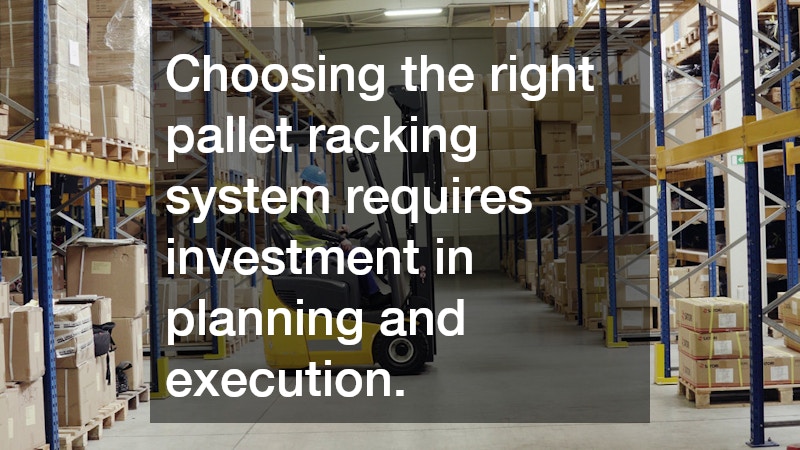
Choosing the right pallet racking system requires investment in planning and execution, but the returns in productivity and operational excellence make it a worthwhile endeavor. Companies equipped with a well-designed system can respond dynamically to market demands, maintaining a competitive edge through streamlined inventory management.
Ultimately, a strategic pallet racking system becomes a vital component of a business’s logistics strategy. By emphasizing organization, accessibility, and integration with modern technologies, companies can transform their warehouse into an efficient hub that drives success. For businesses aiming to enhance their supply chain operations, investing in a strategic pallet racking system is a step in the right direction.